How An Asbestos Management Company Can Help You Keep Your Business Safe
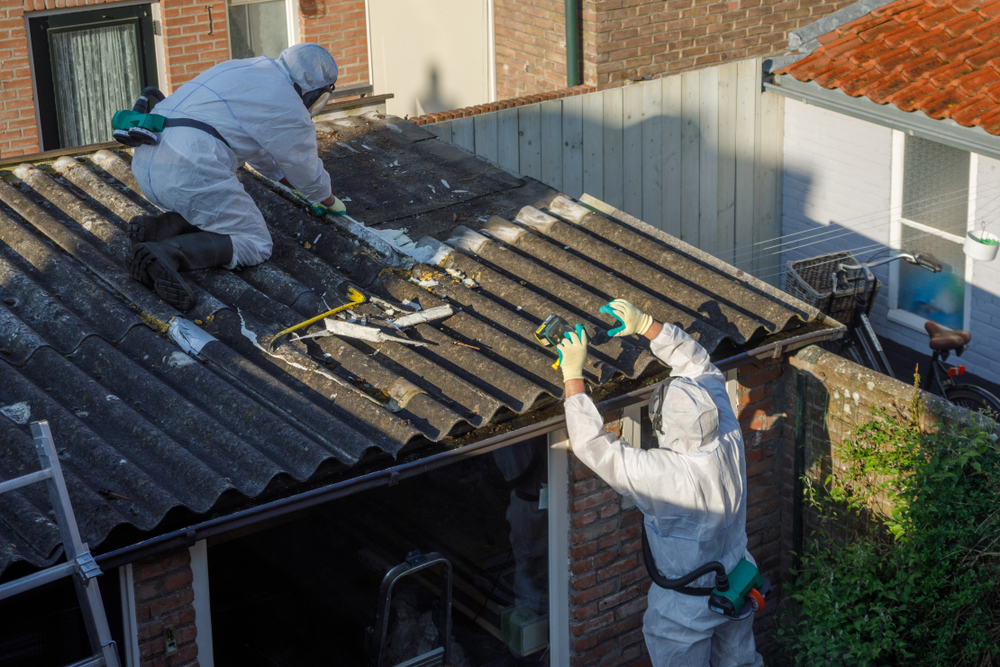
Asbestos is a dangerous material that can cause serious health problems if it is not managed properly. When asbestos management companies are used, they are able to help businesses keep their facilities safe from asbestos pollution.
What Is Asbestos Management?
Asbestos management is the process of identifying, controlling, and eliminating potential asbestos-containing materials (ACMs) in a workplace. It involves conducting surveys to identify any ACMs present, developing a plan to control and manage them, and implementing the plan to ensure compliance with applicable laws and regulations. Asbestos management is important because it can help to reduce the risks associated with exposure to ACMs, such as respiratory illnesses and other health conditions.
Why Is Asbestos Dangerous?
Asbestos is a naturally-occurring mineral fiber that has been used for centuries for insulation and fireproofing. However, when asbestos fibers are inhaled, they can cause serious and sometimes fatal illnesses such as lung cancer, mesothelioma, and asbestosis. It is essential to properly manage asbestos in the workplace, which includes identifying any existing asbestos materials and taking the necessary steps to protect workers from exposure.
How Does Asbestos Damage the Human Body?
Asbestos is a naturally occurring mineral composed of microscopic fibers that can cause serious health problems if inhaled or ingested. When asbestos fibers are breathed in, they can accumulate in the lungs and cause inflammation, scarring, and other damage. Asbestos exposure has been linked to several types of cancer, including mesothelioma, a rare and aggressive type of cancer that affects the lungs, abdomen, and other organs. Asbestosis is another serious respiratory disorder caused by asbestos exposure and is characterized by shortness of breath, coughing, and chest tightness. It is important to manage asbestos exposure in order to reduce potential risks to human health.
How Do You Know If Your Facility Has Been Damaged by Asbestos?
Asbestos can cause serious damage to facilities if left unchecked, so it's important to identify potential sources of asbestos and know if your facility has been damaged by it. Common signs that a facility has been exposed to asbestos include physical deterioration of the building materials, increased dust levels in the air, and strange odors. In addition, if any renovations or remodeling have been done recently, it's important to make sure that any debris from the work is tested for asbestos. To ensure the safety of all occupants, any asbestos found should be removed by a professional and disposed of properly.
What Are the Symptoms of Asbestos Exposure?
Asbestos exposure can cause a variety of health issues, ranging from mild to severe. Symptoms may include shortness of breath, a persistent dry cough, chest pains, and difficulty swallowing. Asbestos exposure can also have long-term effects such as lung cancer and mesothelioma. It is important to understand the risks of asbestos exposure and take steps to properly manage any potential hazards.
What Should You Do If You Suspect That Your Facility Has Been Exposed to Asbestos?
If you suspect that your facility has been exposed to asbestos, it is important to take immediate action. To ensure the safety of your staff and visitors, you should contact a certified asbestos management professional to assess the extent of the problem and take the necessary steps to remediate any contamination. This includes identifying any potential sources of exposure, containing the problem, and removing any asbestos-containing materials in accordance with local regulations and safety protocols. By taking swift action, you can help to protect your facility from further contamination and reduce the risk of health complications for those who may have been exposed.
Visit US@ Asbestos removal | contaminated soil NZ | Abestos pipe removal


Comments
Post a Comment